You Don't Heal Anxious Attachment by Never Getting Triggered
JC
If you have an anxious attachment style, you've probably had this thought before:
"Why am I still like this?"
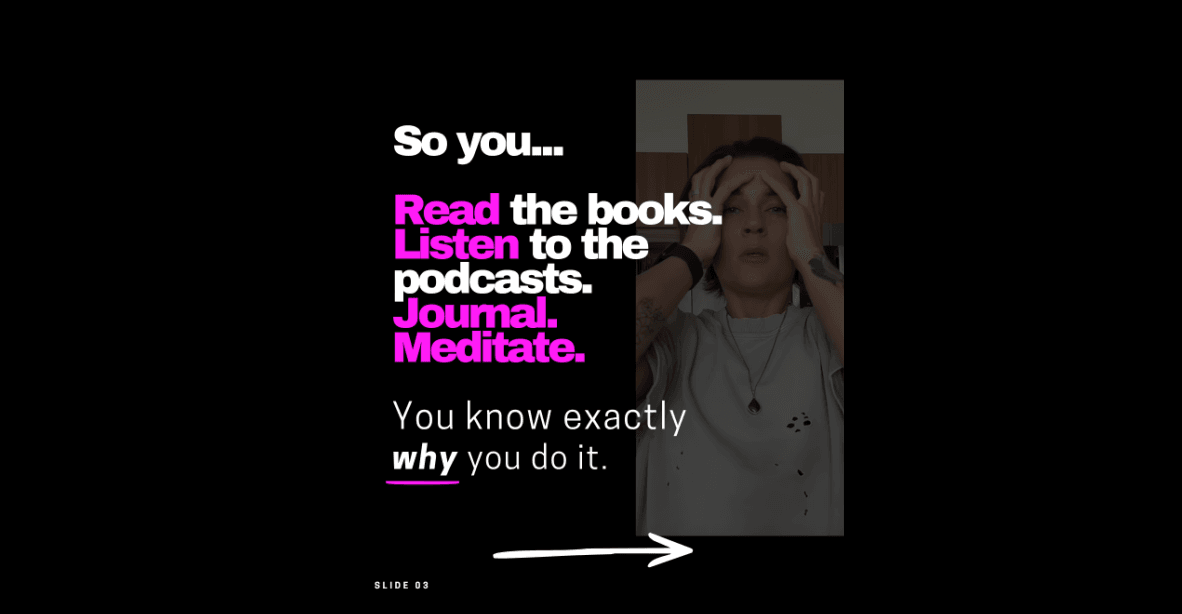
Maybe you've read the books. You've listened to the podcasts. You've gone to therapy. You know exactly why you react the way you do.
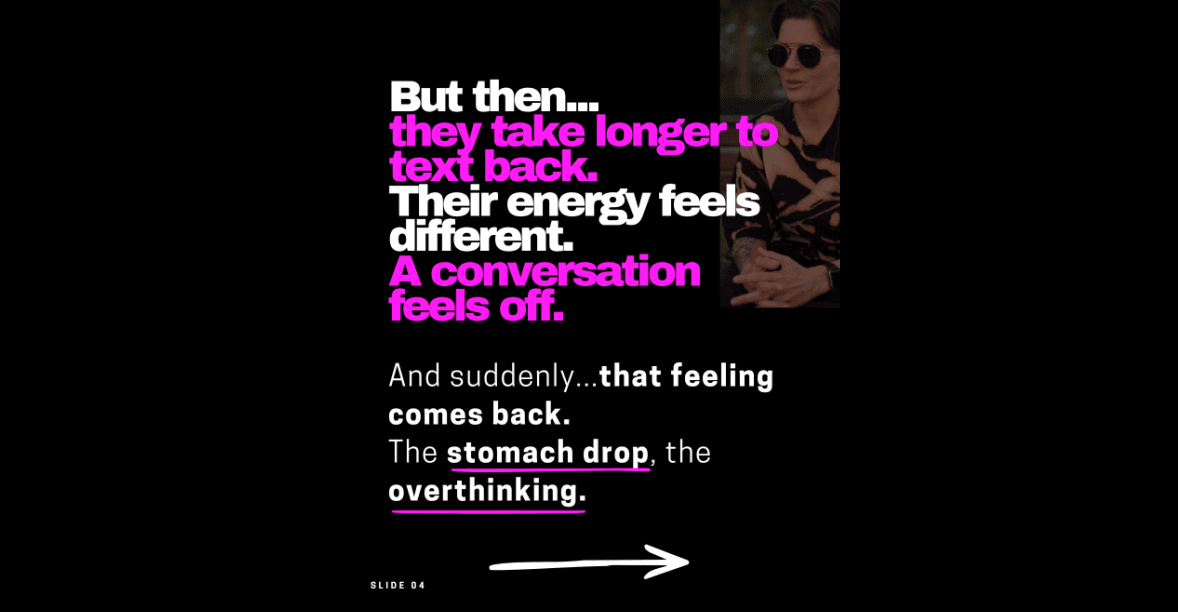
And yet...someone takes longer than usual to text you back.
- Their energy feels different.
- They cancel plans.
- They're quieter than normal.
Suddenly, it feels like all the work you've done disappears, and your mind starts racing.
- "Did I do something wrong?"
- "Are they losing interest?"
- "Should I say something?"
- "Should I pull away first?"
If you've ever found yourself here, I want you to know something:
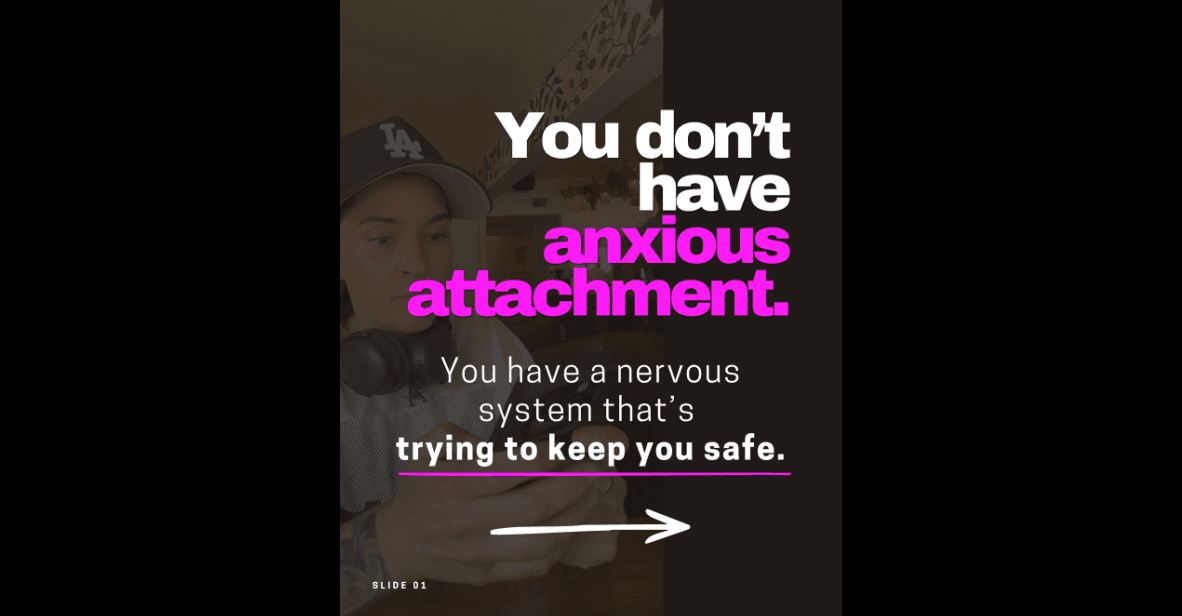
You're not failing. You're having a nervous system response.
Anxious Attachment Doesn't Show Up When Everything Feels Good
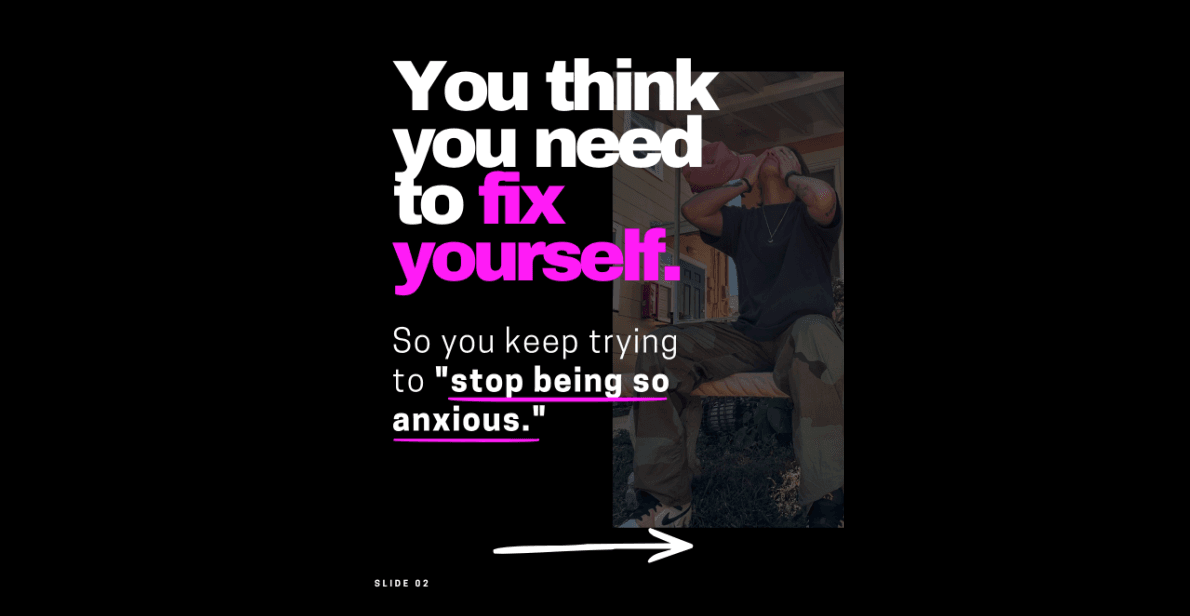
This is one of the biggest misconceptions I see. People think healing anxious attachment means they'll eventually stop getting triggered. That they'll wake up one day completely calm, never overthink another text, and never need reassurance again. But that's not what healing looks like.
Anxious attachment doesn't show up when everything feels secure. It shows up the moment connection feels uncertain.
- When someone is inconsistent.
- When communication changes.
- When you don't know where you stand.
That's when your nervous system goes into overdrive. Not because you're irrational, because uncertainty has become associated with danger.
Your Brain Is Trying to Solve a Problem That Doesn't Exist Yet
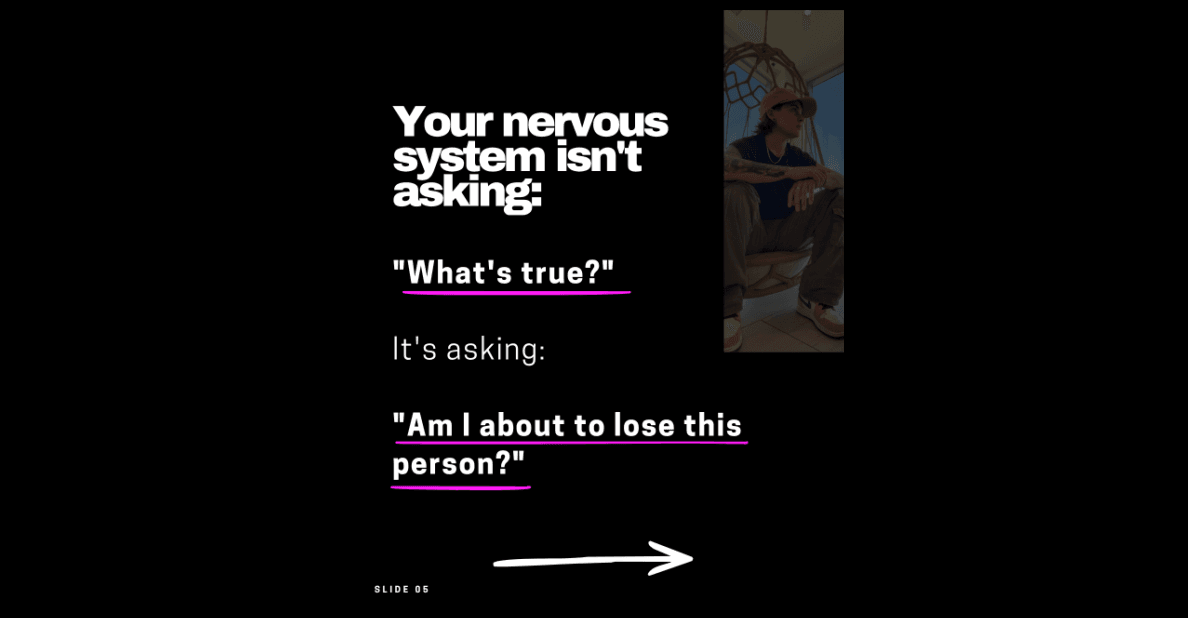
When you're anxiously attached, your brain hates uncertainty. It would rather have a painful answer than no answer at all. So it starts filling in the blanks.
- "They're losing interest."
- "They're mad at me."
- "I should probably text again."
- "Maybe I was too much."
The problem is...none of those are facts. They're stories your nervous system creates because it's trying to protect you from abandonment before it happens. Your brain believes that if it can figure out the threat early enough, it can prevent the pain.
So you start searching for clues.
- You analyze every text.
- You replay every conversation.
- You notice every tiny shift in tone.
- You become hyper-aware of everything happening around you while becoming completely disconnected from what's happening inside of you.
The Behaviors Aren't the Problem
Think about what usually happens next.
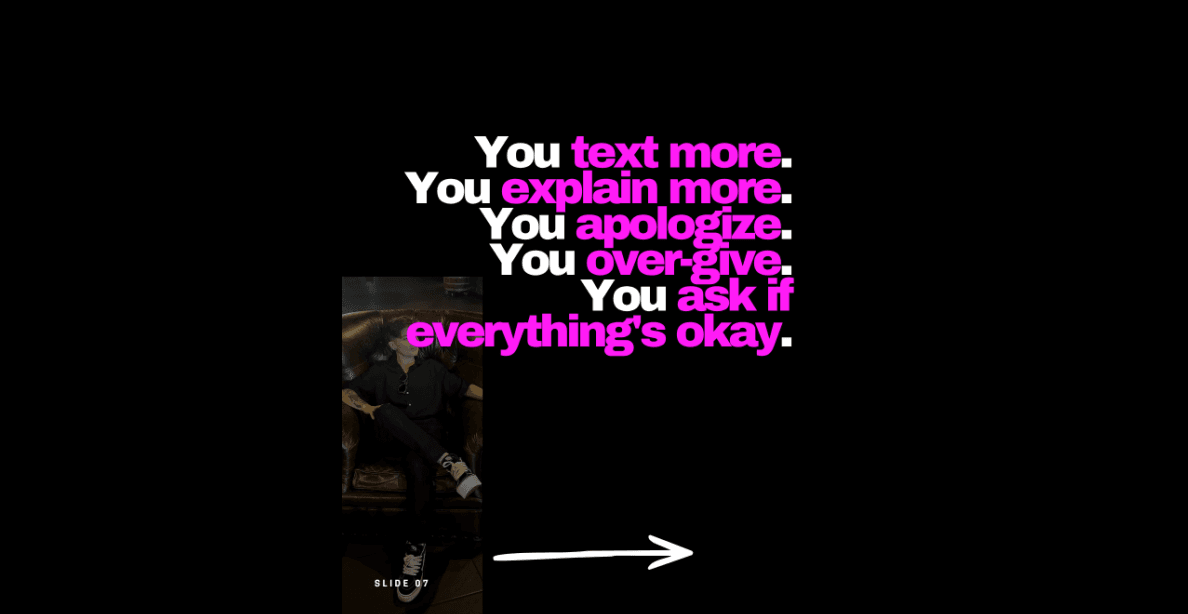
- You send another text.
- You ask if everything is okay.
- You apologize for something you didn't even do.
- You over-explain yourself.
- You become more available.
- You ignore your own needs because you're so focused on keeping the connection.
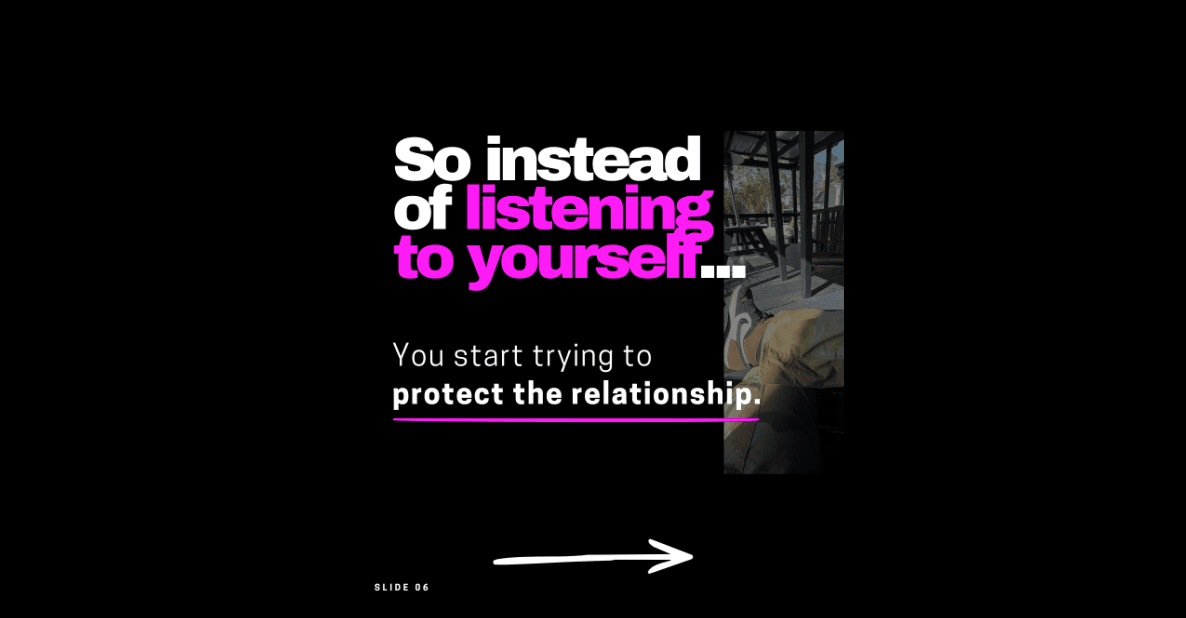
Most people label these behaviors as "needy." I don't. I see them for what they really are, protective strategies.
Your nervous system has learned that closeness equals safety. So when closeness feels threatened, it tries to get it back as quickly as possible. The problem isn't that you're anxious, it's that anxiety is making your decisions.
What Healing Actually Looks Like
Healing isn't becoming someone who never gets triggered. It's shortening the distance between being triggered and coming back to yourself. It's noticing your nervous system getting activated and saying,
"I don't have to act on this feeling immediately."
It's learning to regulate before you react, to pause before you send the text, get curious instead of jumping to conclusions, remember that feelings aren't facts. To stop asking,
"How do I get them to make me feel safe?"
And start asking, "How do I create safety within myself?"
That's the shift.
Secure People Feel Anxiety Too
This surprises a lot of people. Securely attached people still experience uncertainty. They still wonder where they stand sometimes. They still have moments of insecurity. The difference isn't that they never feel anxious, it's that they don't automatically believe every anxious thought they have. They don't let anxiety become the loudest voice in the room. They don't abandon themselves just because someone else's behavior changed. They know how to come back to themselves first, and that's a skill...one you can learn.
You Are Not Stuck Like This Forever
If you've spent years feeling like you're "too much," "too sensitive," or "too needy," I want you to hear this:
You're not broken. Your nervous system adapted to experiences that taught it love wasn't always predictable. Those patterns made sense at one point in your life, but they don't have to keep running your relationships.
- You can learn to calm your nervous system.
- You can learn to trust yourself.
- You can date without constantly waiting for the other shoe to drop.
- You can become securely attached.
It doesn't happen by pretending you don't have anxiety. It happens by learning what to do when anxiety shows up, and that changes everything.
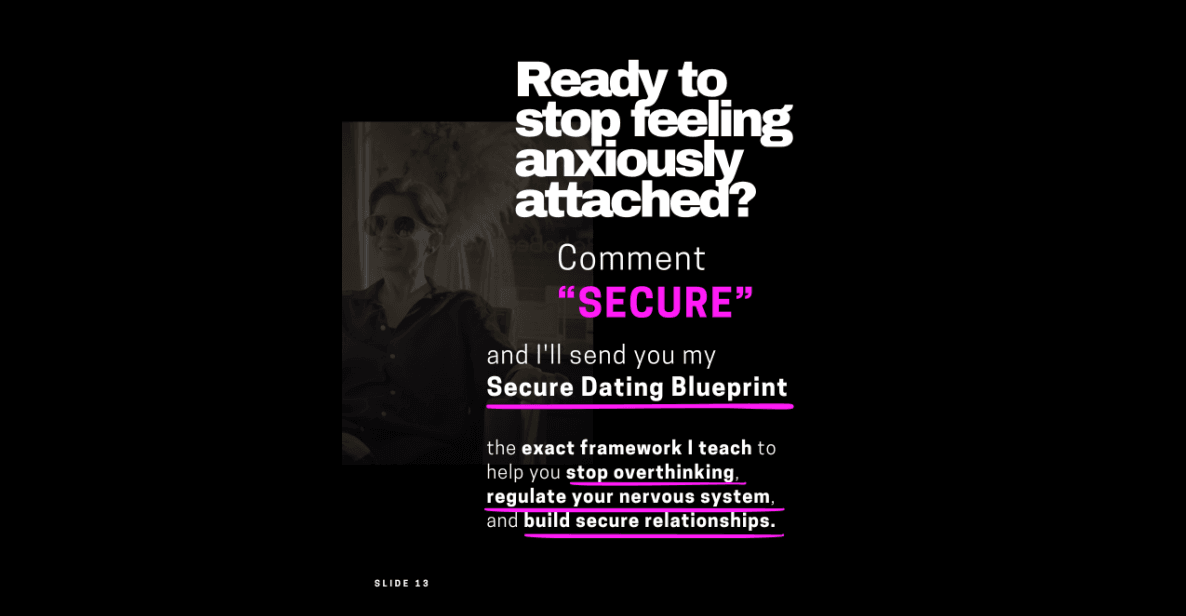
Ready to become more securely attached?
I've put together a free Secure Dating Blueprint that walks you through the first steps to stop overthinking, regulate your nervous system, and build healthier, more secure relationships.
Comment "SECURE" on my latest Instagram post, and I'll send it your way.