The Top 10 Most Grounding Things to Do in St. Petersburg
JC
Specific places, specific moments, real nervous-system regulation
When people say St. Pete feels calming, they’re not talking about vibes. They’re talking about nervous system regulation — whether they know it or not.
This city has built-in cues of safety: water, light, rhythm, space. And when you engage with those intentionally, your body responds fast.
Before the list, let’s be clear.
What grounding actually means (in real terms)
Grounding is anything that brings your body out of future-based stress and back into the present moment. It shifts your nervous system from sympathetic (fight/flight) into parasympathetic (rest/digest).
You know you’re ungrounded when:
You’re replaying conversations
You’re anticipating problems that haven’t happened
Your jaw is tight
Your chest feels buzzy
You feel tired but can’t rest
Grounding doesn’t fix your life — it stabilizes your body, which then lets you respond to your life differently.
Here’s how to do that specifically in St. Pete.
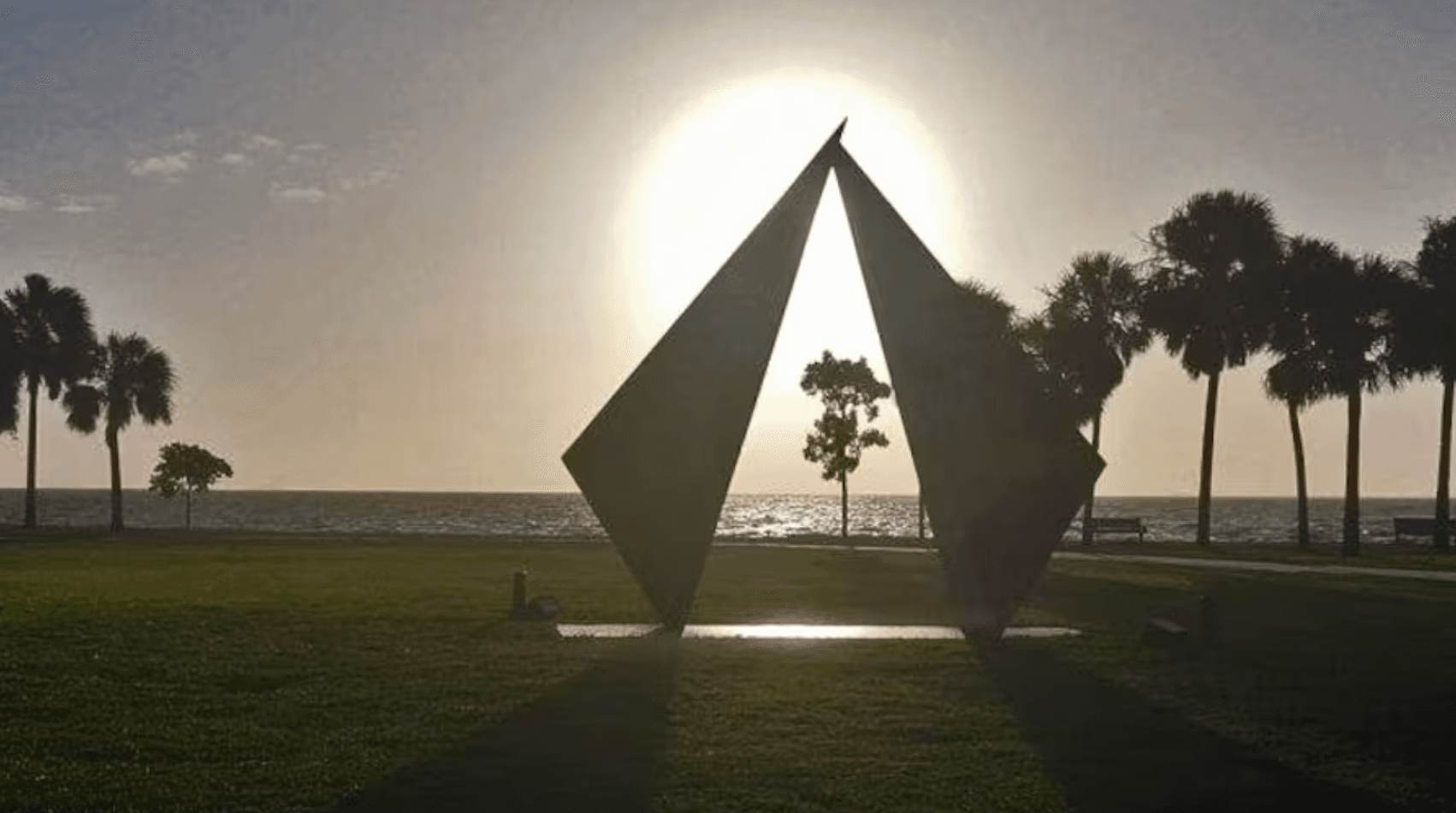
1. Sunrise at Vinoy Park (before 8 a.m.)
Go early. This matters.
Set up near the water facing northeast. If you’re flexible, bring a hammock. If not, sit on the seawall and let your feet dangle.
Between 7:00–8:00 a.m.:
The city is quiet
The water is glassy
Dolphins surface close to shore
What to do:
Stretch slowly. No phone. Follow the light as it changes.
Nervous system effect: Your body synchronizes with circadian rhythm. Cortisol drops naturally.
Real-life result: You’re noticeably less reactive all day. Emails don’t spike your nervous system the same way.
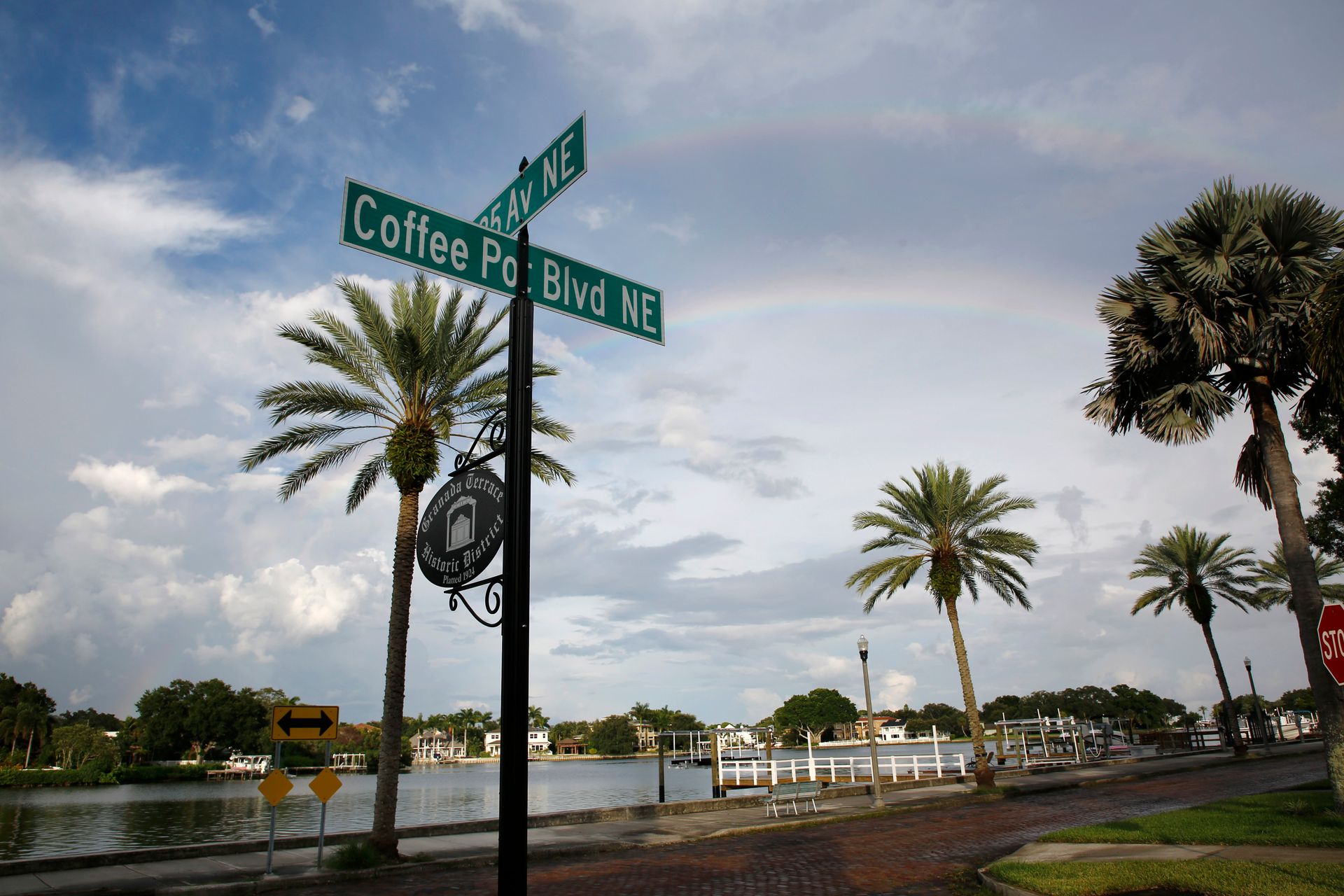
2. Slow laps around Coffee Pot Bayou (mid-morning)
Park near the residential stretch, not the busy entrance.
Walk one full loop — slowly. Let your arms swing naturally. Watch the reflections of the houses and mangroves in the water.
What to notice:
Boats rocking
Birds skimming the surface
The repetitive sound of water against docks
Nervous system effect: Bilateral movement + water = downregulation.
Real-life result: Your thoughts organize themselves without effort. Decisions feel simpler afterward.
3. Barefoot sunset at Pass-a-Grille Beach
Go near the 8th Avenue access point. It’s quieter.
Shoes off. Walk slowly where the sand is damp but not soaking.
What to do:
Count 10 slow steps. Pause. Repeat.
Nervous system effect: Direct sensory input through the feet signals safety to the brain.
Real-life result: You sleep deeper that night and wake up without the usual mental fog.
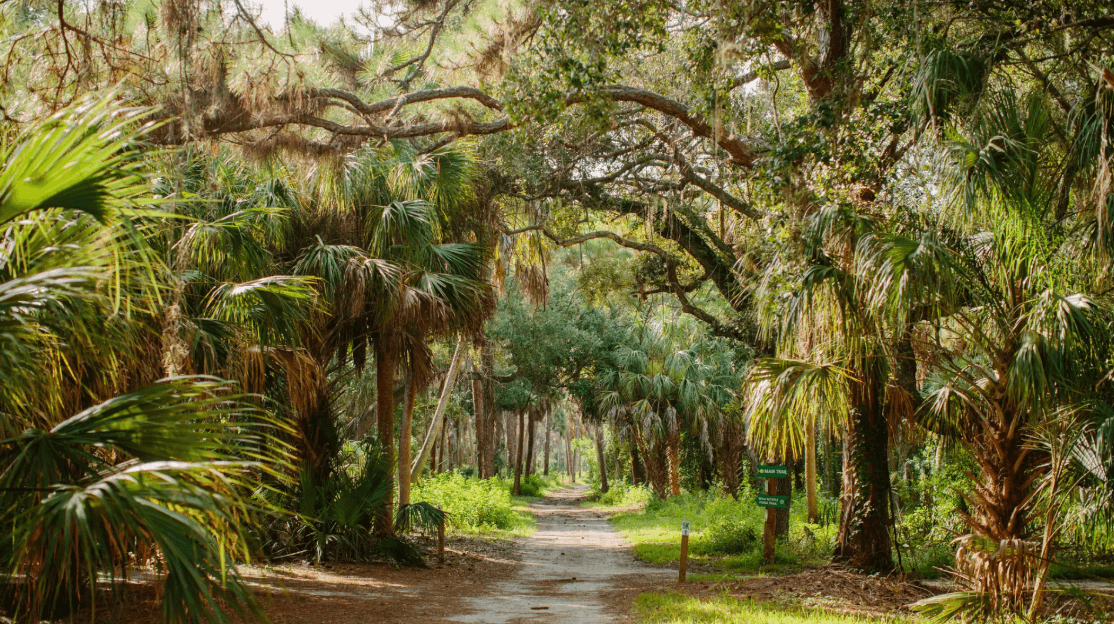
4. Tree-lined trails at Boyd Hill Nature Preserve
Choose the trails away from the lake first.
Walk without headphones. Let your eyes rest on green for longer than feels necessary.
What to do:
Stop halfway. Place one hand on a tree. Take 5 slow breaths.
Nervous system effect: Visual stillness + nature reduces amygdala activity.
Real-life result: Anxiety drops from “background hum” to barely noticeable.
5. Floating in the Gulf (no swimming goals)
This isn’t a workout.
Wade out to chest depth. Turn onto your back. Let the water hold you.
What to do:
Exhale longer than you inhale.
Nervous system effect: Gentle pressure + buoyancy mimics containment.
Real-life result: Emotional resilience improves — you bounce back faster from stressors.
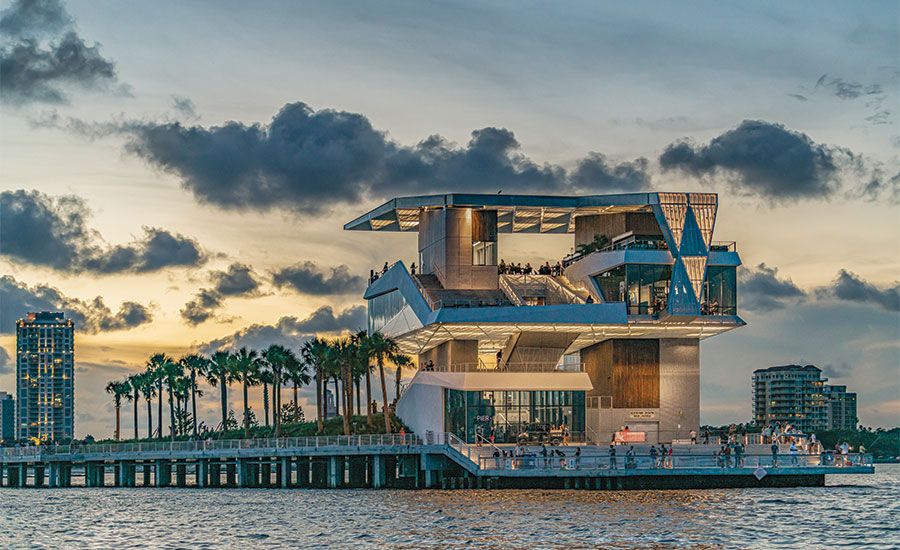
6. Sitting at the end of the pier with no stimulation
Go late afternoon. Sit facing the horizon, not the city.
No journaling. No podcast. No productivity.
What to notice:
The horizon line
The rhythm of waves
Boats moving steadily, not urgently
Nervous system effect: Stillness retrains your body to tolerate calm.
Real-life result: You stop filling silence with anxiety or over-explaining yourself.
7. Outdoor coffee alone (same spot, same time)
Pick one café with outdoor seating. My go to is Intermezzo. Go consistently.
Sit facing outward, not toward people.
What to do:
Hold the cup with both hands. Take the first three sips slowly.
Nervous system effect: Warmth + predictability = safety.
Real-life result: You feel more grounded before social interactions instead of bracing for them.
8. Gentle stretching near water (10 minutes max)
Vinoy, Lassing, or any open shoreline works.
No flow. No routine.
What to do:
Move intuitively — neck, shoulders, hips.
Nervous system effect: Releases stored tension without activating stress.
Real-life result: Less physical tightness = less emotional reactivity.
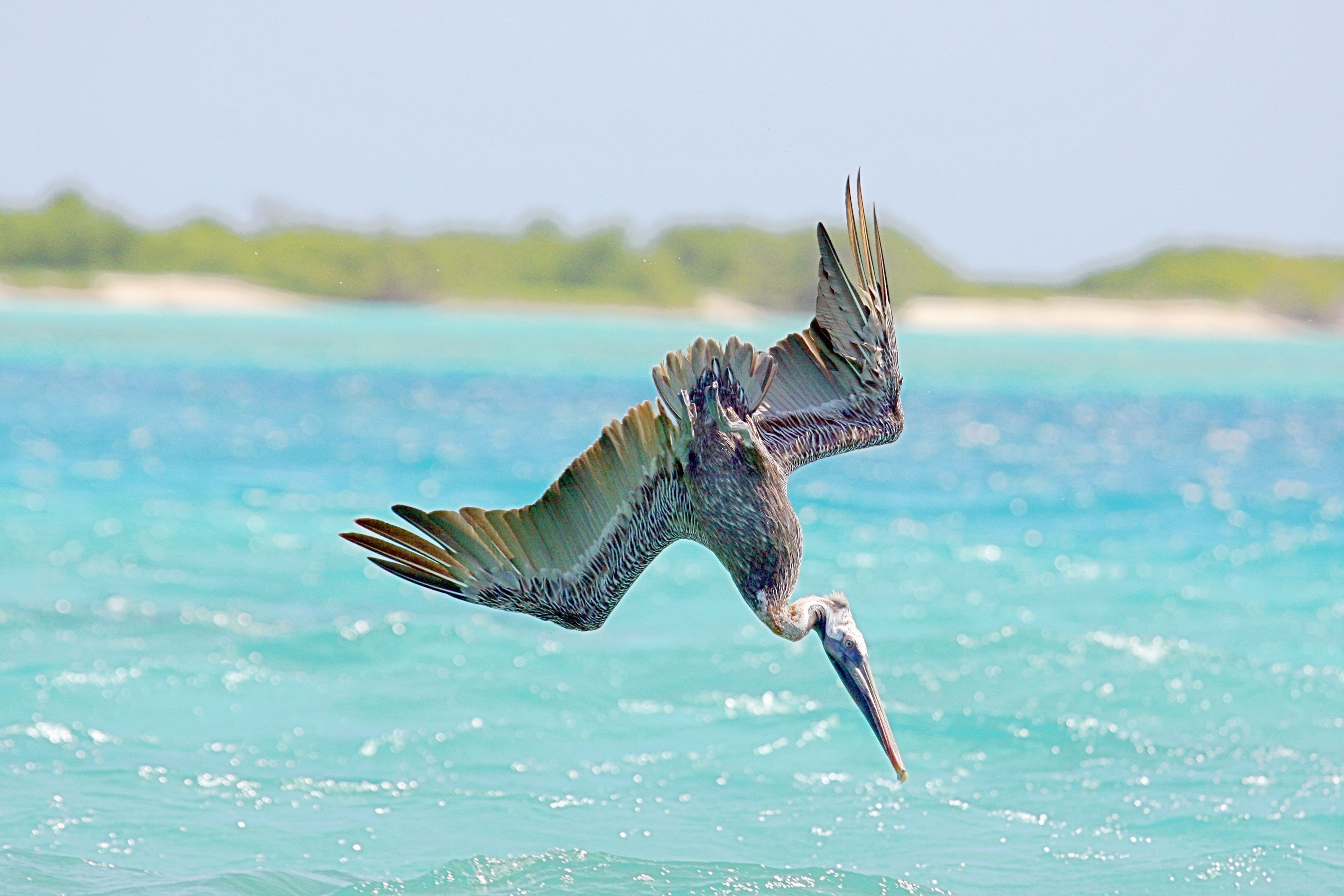
9. Watching pelicans dive (seriously)
Stop. Watch them.
Animals regulate because they are fully embodied.
Nervous system effect: Co-regulation through observation.
Real-life result: You feel more present and less disconnected from your body.
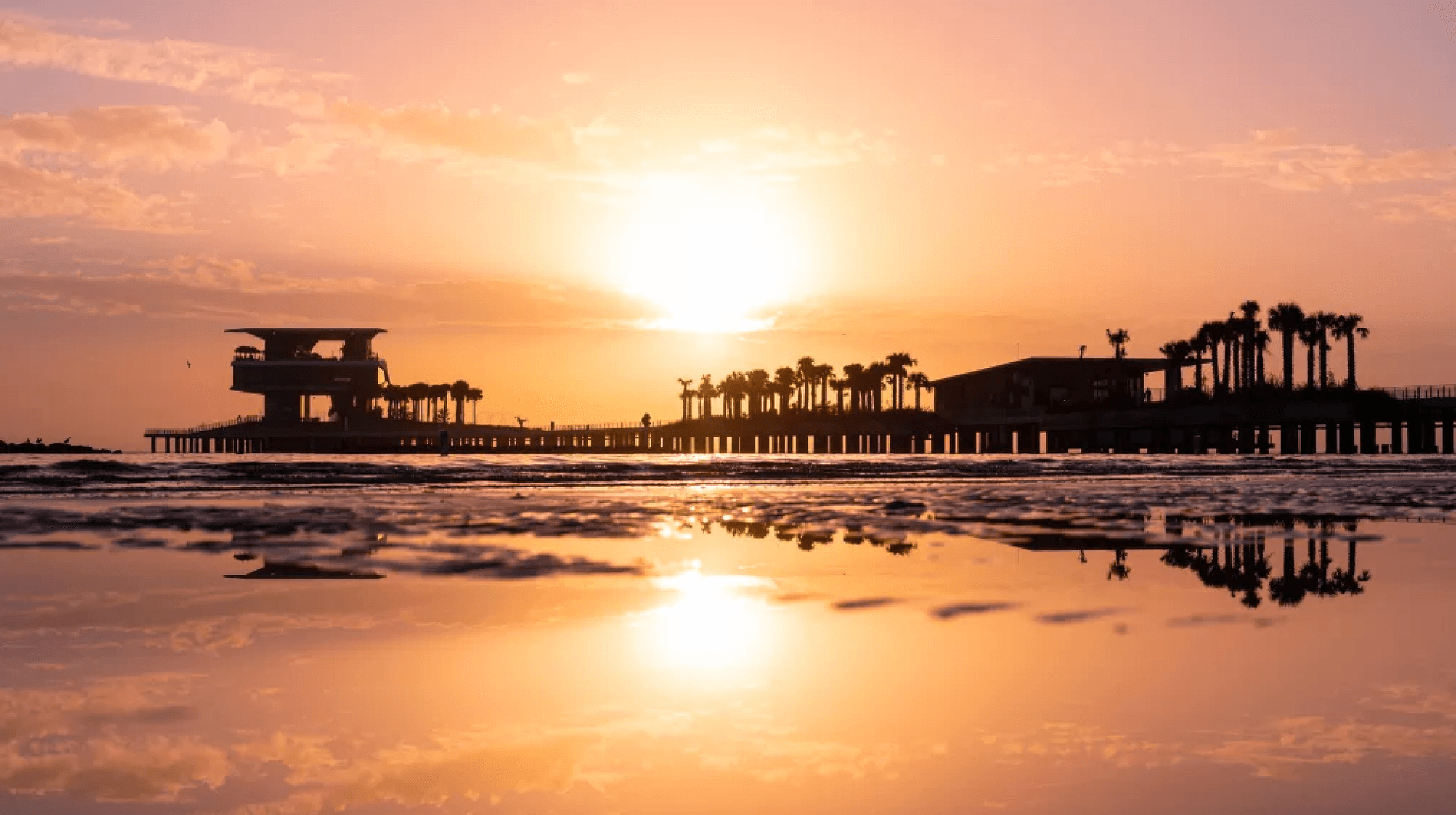
10. Ending your day with the sky, not your phone
Sunset anywhere visible — even from your car.
Stay until the light fully fades.
Nervous system effect: Signals safety and completion.
Real-life result: Fewer nighttime spirals. More emotional clarity the next morning.
Why this actually changes your life
When your nervous system is calm:
You don’t chase people who feel confusing
You don’t over-explain your needs
You trust your timing
You make decisions without panic
You stop forcing outcomes
Grounding doesn’t make life perfect.
It makes it manageable, honest, and aligned.
And St. Pete gives you more opportunities to regulate than almost anywhere — if you let it.
It’s all unfolding perfectly.